← Insights / Alfredo Civitico Biraben / Essay / Uruguay
The Art We Have Lost
Starting from Noah Charney’s The Museum of Lost Art, this essay asks how much of what we know about art history depends on the works that happened to survive, and what is lost when a work disappears through theft, war, fire or neglect.

By Alfredo Civitico Biraben
Montevideo, Uruguay
Originally published in Spanish
Re-edited and published by The Art Lab Galleries — October 12, 2026 · 5 min read
Small Title

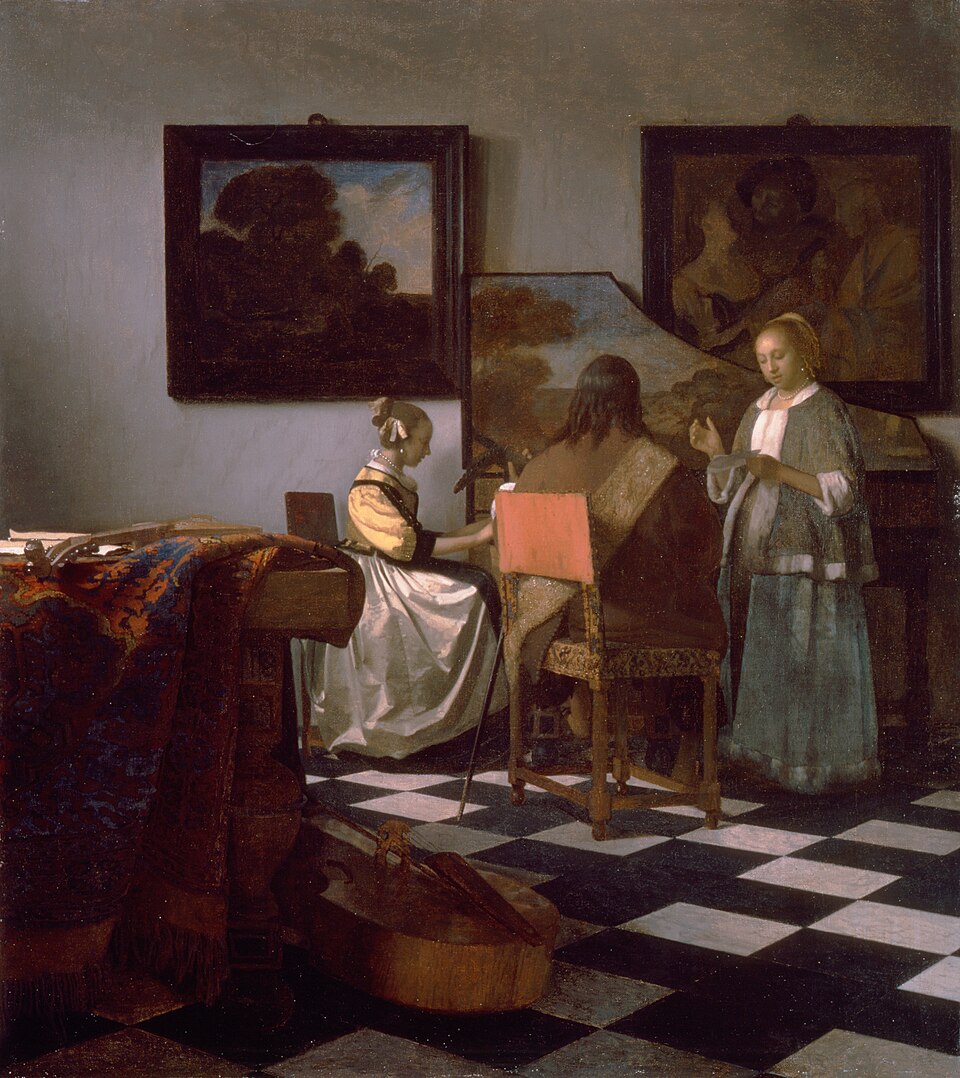
Empty frame in the Dutch Room of the Isabella Stewart Gardner Museum. The museum has kept the frames of the works stolen in 1990 on display, awaiting their return. Image: Isabella Stewart Gardner Museum, Boston.
Share


Download article
What if the history of art were also a history of absence?
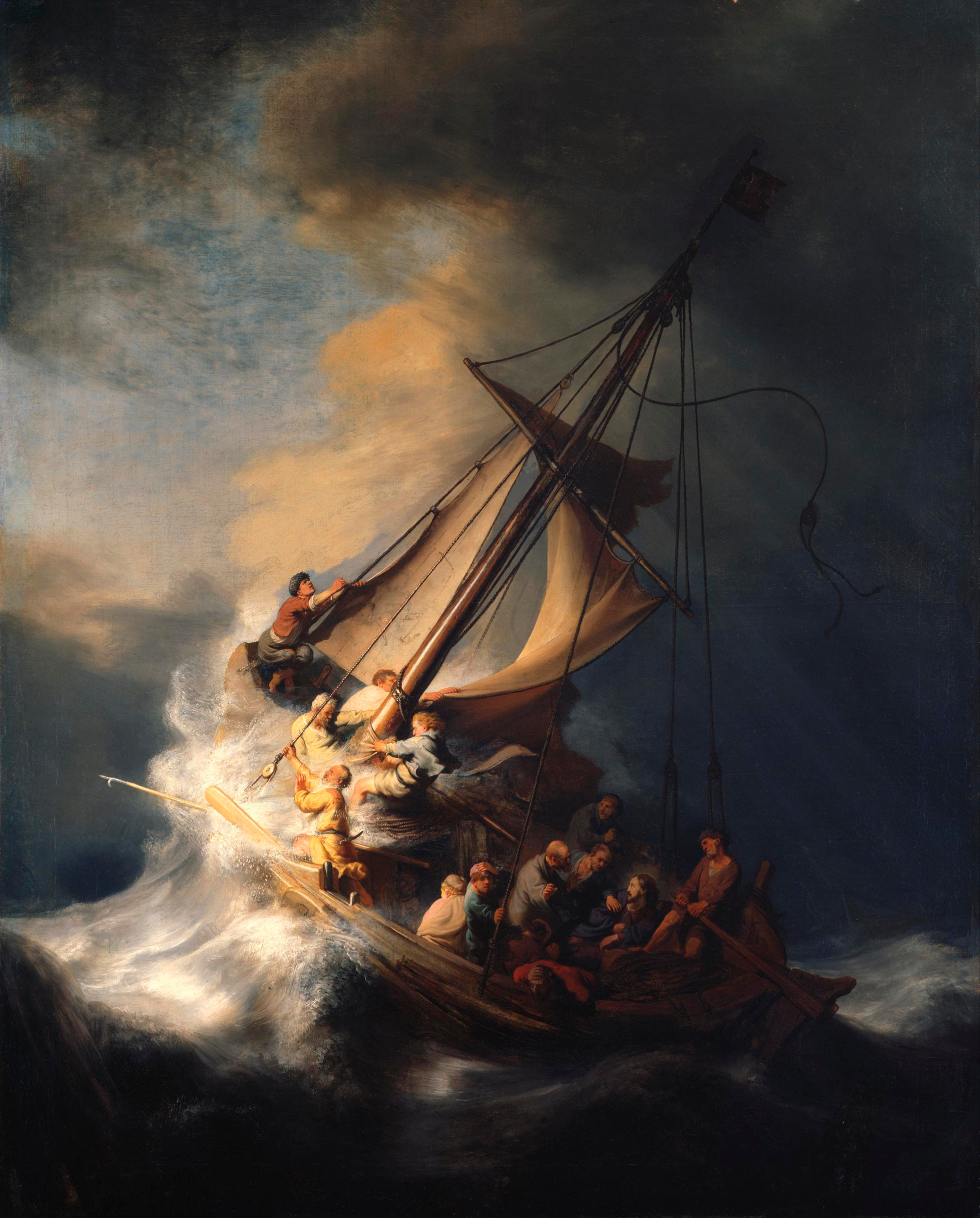
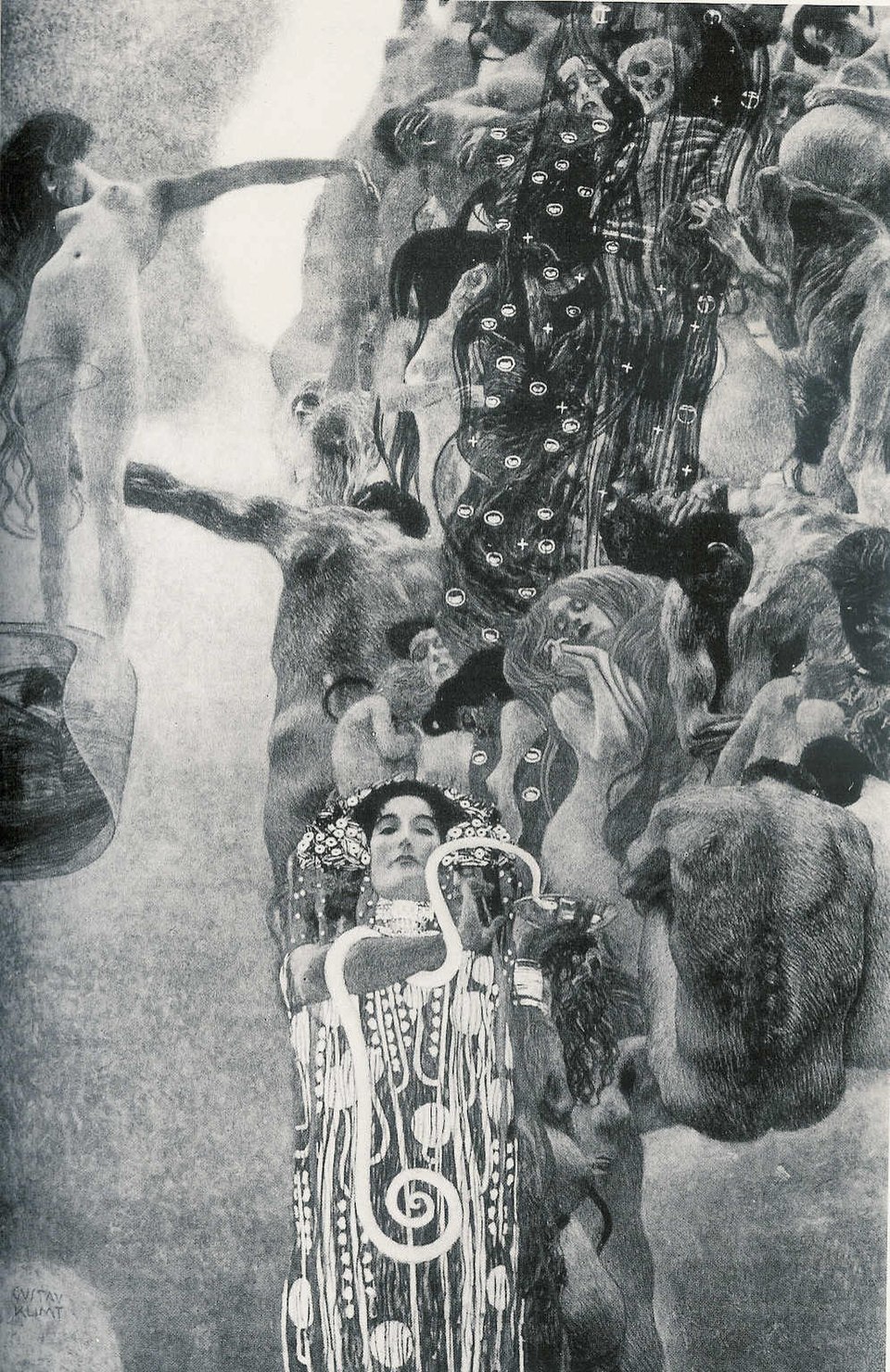
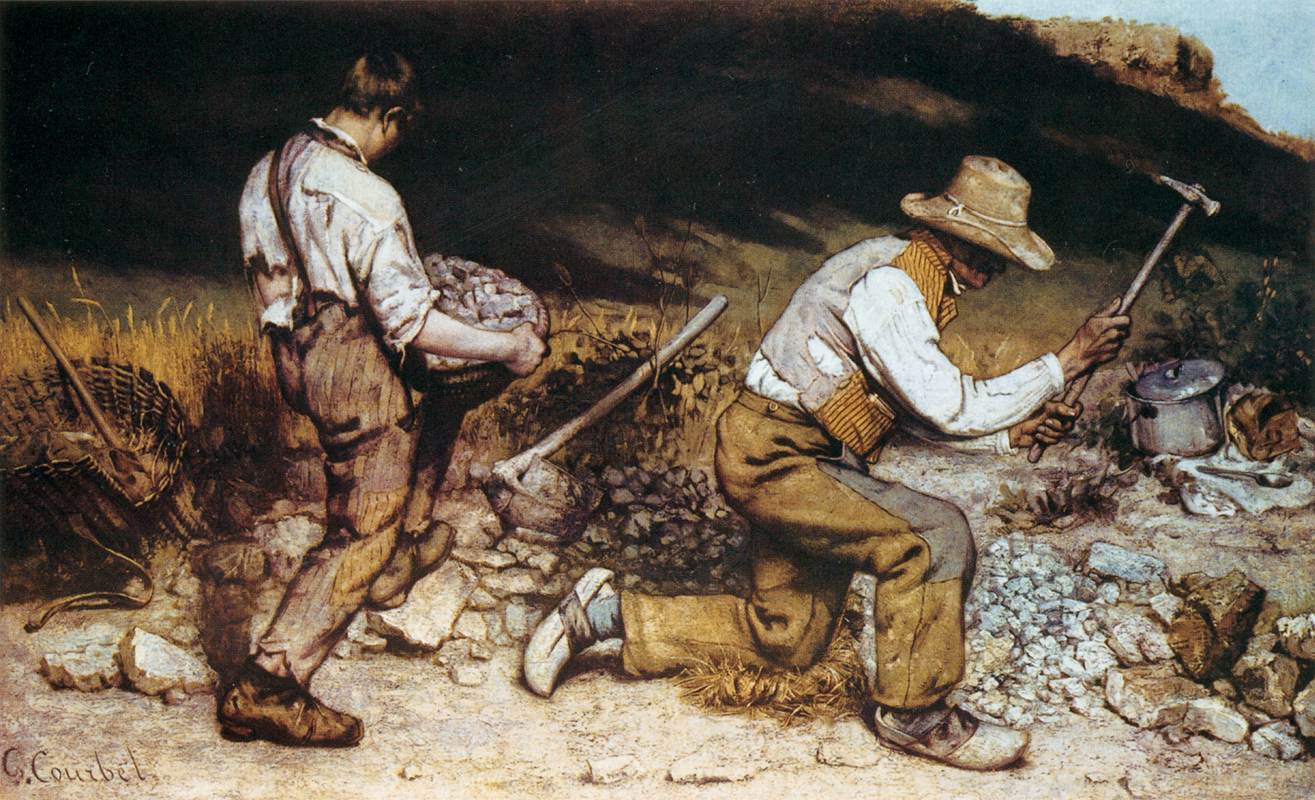
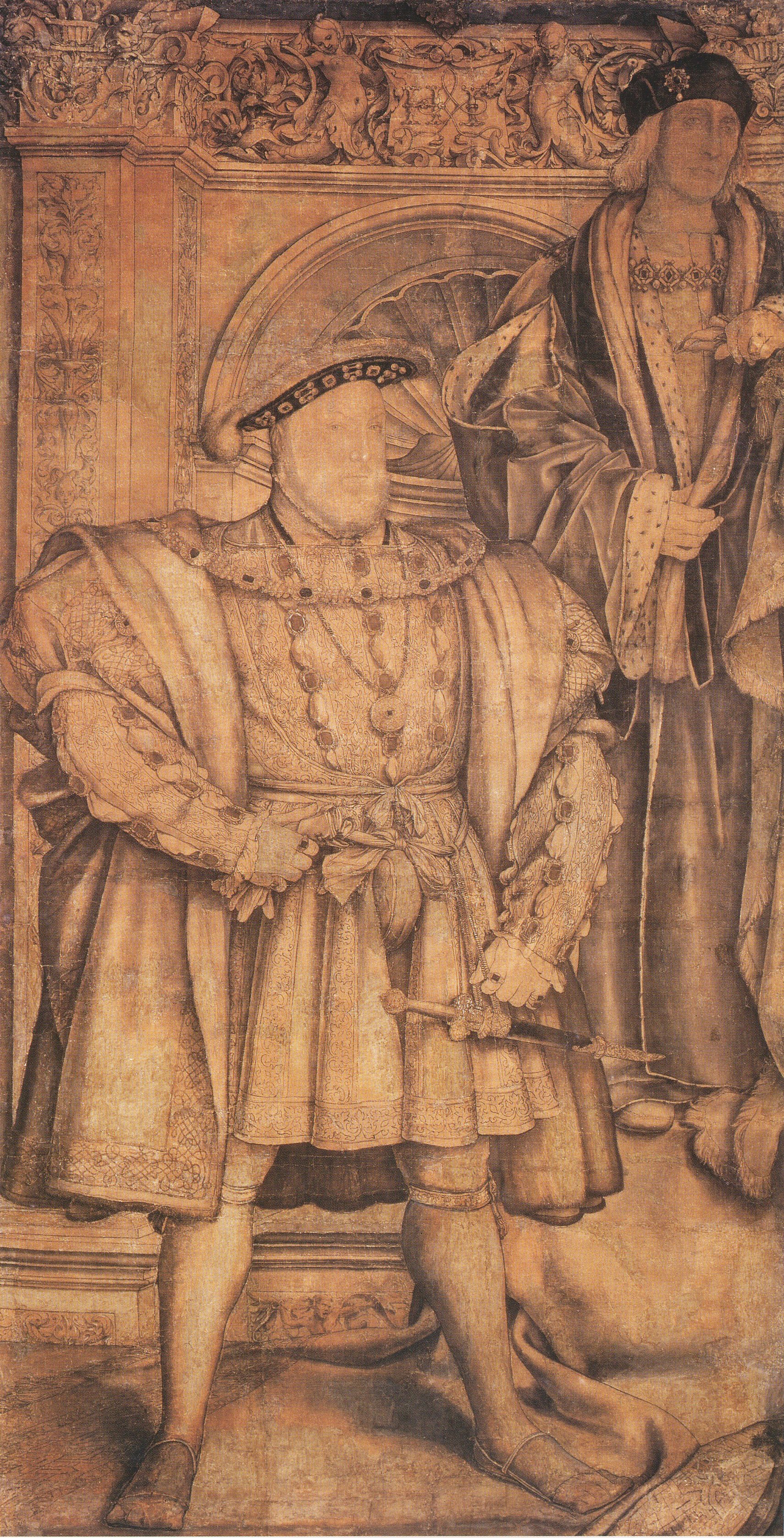
Imagine a museum larger than all the museums in the world combined. Its galleries would contain paintings that vanished centuries ago, sculptures destroyed by war, masterpieces stolen and never recovered, and works erased by accident, ideology or the passage of time.
Such a museum does not exist. Yet its collection is very real.
In The Museum of Lost Art (2018), art historian and writer Noah Charney invites us to explore this invisible collection. Through the stories of artworks that have disappeared, been destroyed, stolen or deliberately erased, he challenges a fundamental assumption: that the history of art can be understood primarily through the works that survive.
It is an invitation to look at art history from a different perspective — not only through what remains, but also through what is missing.
The bias of survival
Art history is necessarily built around objects we can study. Paintings in museum collections, sculptures preserved in public spaces and works held in private collections provide the material evidence through which we understand artistic movements, individual careers and cultural transformations.
But survival is not a measure of artistic importance.
Works disappear for countless reasons. Fires consume entire collections. Wars and political upheavals destroy or disperse cultural heritage. Religious and ideological conflicts lead to the deliberate destruction of images. Theft removes objects from public view, sometimes permanently. Other works deteriorate, are discarded, or are dismantled because their materials are considered more valuable than the objects themselves.
The result is an unavoidable imbalance. We construct our understanding of the past from a surviving fraction of the art that was once created.
Charney's book makes this imbalance tangible. It reminds us that some works now absent from the historical record were celebrated in their own time, sometimes as much as — or more than — the masterpieces we admire today.
What would our understanding of an artist be if a major work had survived? How might an artistic movement be interpreted differently if one of its defining objects had not disappeared?
These questions cannot always be answered. But they reveal the limits of a history built exclusively around what we can still see.
When a work disappears, what else is lost?
The disappearance of an artwork is not simply the loss of a physical object.
A painting or sculpture carries evidence of its time: its materials, techniques, symbolism, patrons, intended audience and relationship to the society in which it was created. It may document a political ambition, a religious belief, a technical innovation or an aesthetic possibility that was never pursued again.
When the object disappears, much of that evidence disappears with it.
Sometimes descriptions, preparatory drawings, copies, photographs or archival documents preserve fragments of its existence. These traces allow historians to reconstruct aspects of the work, but they cannot fully replace the experience of encountering the original.
There is a fundamental difference between knowing that a masterpiece existed and standing before it.
This distinction becomes particularly striking when we consider works whose physical presence was central to their meaning. Scale, surface, material and the relationship between an object and its surroundings are not incidental characteristics. They are part of the work itself.
Documentation can preserve information. It cannot necessarily preserve the entire experience.
The many ways art can be lost
Charney explores disappearance in its different forms, from theft and war to accidents, natural disasters, vandalism and intentional destruction.
Each reveals a different relationship between art and the world around it.
Theft removes an artwork from its legitimate context and may deprive the public of access to a shared cultural object. War can destroy heritage while simultaneously turning its seizure into an instrument of power. Iconoclasm exposes the conflicts that emerge when images become symbols of beliefs, identities or political authority.
Other losses are less deliberate. A fire, a flood or a seemingly insignificant decision can erase something that had survived for generations.
And then there is a more unsettling possibility: the destruction of a work by its own creator or owner.
These cases complicate the idea that every artwork is necessarily intended to survive. They also raise questions about ownership, preservation and the authority to determine an object's future.
What is lost is not always the result of a single dramatic event. Sometimes it is the cumulative consequence of neglect, changing priorities and decisions whose significance becomes apparent only much later.
What does it mean to preserve art?
Preservation is often understood as a technical discipline: protecting materials, controlling environmental conditions, restoring damaged surfaces and preventing deterioration.
These practices are essential. Yet the history of lost art suggests that preservation also in volves a broader responsibility.
It requires recognizing the cultural significance of an object before its disappearance makes that significance impossible to ignore. It means documenting works, maintaining reliable records, protecting collections and ensuring that knowledge about artistic production remains accessible.
It also means acknowledging that art does not exist in isolation. Its meaning develops through the relationships between artists, audiences, institutions and the societies that receive it.
A work may survive physically while disappearing from public consciousness. Another may be physically lost yet remain present in cultural memory through descriptions, reproductions and the stories that continue to be told about it.
The distinction between material survival and cultural survival is not absolute. But it reminds us that preservation involves more than safeguarding objects. It also involves safeguarding the knowledge that gives them meaning.
An incomplete history — and an open future
Perhaps the most compelling implication of The Museum of Lost Art is that the history of art is never entirely settled.
New discoveries can change our understanding of familiar artists. Works believed to be lost may reappear. Archival evidence can reveal the existence of objects previously unknown to scholars. A painting hidden for decades may acquire a new significance when its provenance or attribution is reconsidered.
At the same time, many absences will remain permanent. There are works whose appearance, scale and material qualities we will never know with certainty.
This uncertainty should not be mistaken for a weakness in art history. Rather, it is a reminder that historical knowledge is always shaped by the evidence available to us — and that this evidence is incomplete.
The lost works of the past do not merely leave gaps in museum collections. They leave gaps in our understanding of artistic achievement, cultural exchange and the ways societies have chosen to remember themselves.
For this reason, Charney's imaginary museum is more than a catalogue of vanished treasures. It offers a different way of thinking about the history of art: one that recognizes the significance of absence alongside the importance of survival.
The works we can still encounter are extraordinary. But they are not the whole story.
Perhaps one of the most important tasks of looking at art is to remain conscious of everything we cannot see — and of how much may still be missing from the history we believe we know.
The Museum of Lost Art by Noah Charney, published by Phaidon in 2018, explores the stories of artworks lost through theft, war, accident, destruction and other circumstances.